Digital collections are complex. Working with them shouldn’t be.
I help museums make decisions about collection systems, improve the tools and workflows they use every day, and carry digital projects through into practice.
Assess a supplier proposal, define requirements or compare alternatives. Understand the costs, dependencies and trade-offs before committing.
Your result
A concise decision brief with options, costs, risks and a recommendation.
02SYSTEMS
MuseumPlus & everyday workflows
Adapt MuseumPlus configuration, develop reports and improve collection workflows. Work with your team to address recurring tasks and make the system more useful in daily museum work.
An agreed configuration or a working report, checked with your team and documented.
03PROJECTS
Digital projects & delivery
I coordinate tasks, suppliers and museum teams — from system adaptations and interfaces to online collections. I support testing and help your team establish new workflows in everyday practice.
Your result
A realistic project plan, clear responsibilities and agreed criteria for testing and handover.
A focused engagement starts with one clear task. We agree the result, scope and fee before work begins.
For interfaces and online collections, I define requirements, coordinate delivery and support acceptance. Custom software development and ongoing technical operation are separate services for qualified technical partners, with responsibilities agreed in advance.
A LOOK AT THE WORK
What a clear decision looks like.
An independent review turns a supplier proposal into a basis for action. This example shows how I structure the result.
What needs to improve, which systems are involved, and what a workable result requires.
02 / Options
Compare the proposed approach with feasible alternatives: effort, costs, dependencies and ongoing operation.
03 / Recommendation
A reasoned recommendation, its limits, open questions and the next steps for the museum.
Typical format: a concise written brief and a discussion. Scope and depth are agreed for each engagement.
BDC / BACHMANN DIGITAL COLLECTIONSDecisions. System improvements. Project support.
02 / HOW I WORK
From priorities to practical change.
Recommendations are based on your institution’s requirements, resources and existing systems.
01
Understand what matters
We agree the question, the deliverable and how to check it, together with scope, responsibilities and fee.
02
Assess what is needed
A review of the relevant systems and workflows, with recommendations and a plan for the work.
03
Put it into practice
Together, we carry out the agreed steps, check the results and establish how your team will continue working with them.
03 / ABOUT BDC
Good digital work starts with understanding collections — and the people behind them.
EXPERIENCE
MuseumPlus experience. An independent perspective.
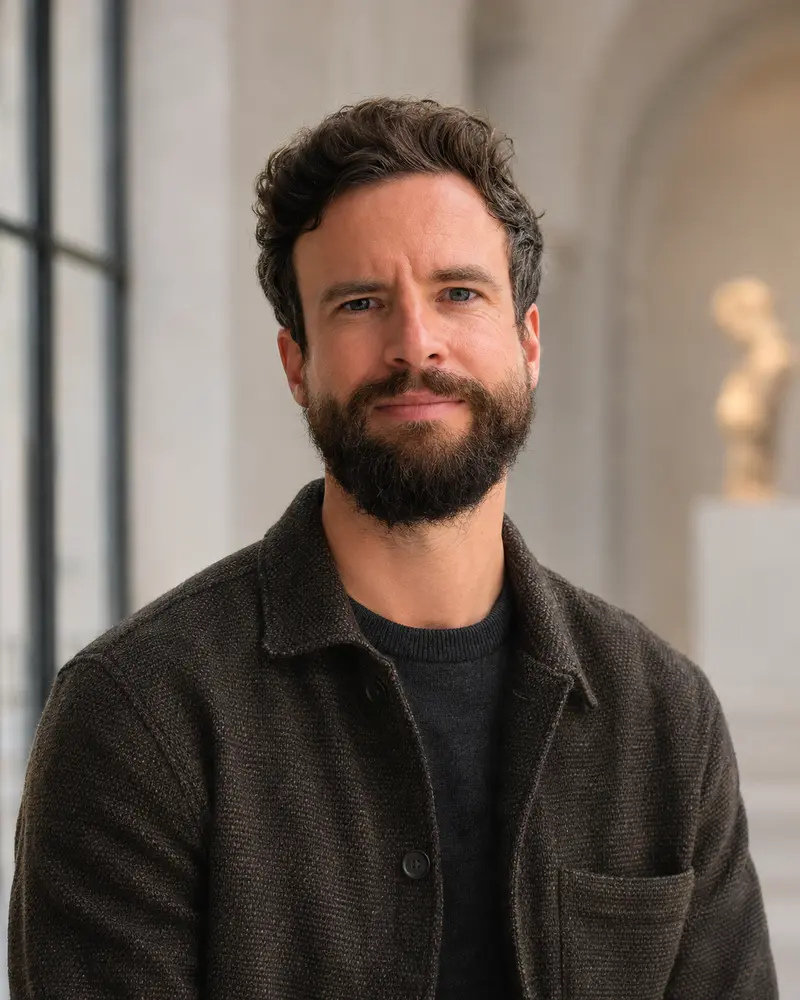
I’m Florian Bachmann. I bring over 10 years of experience working with collection systems and museum teams.
Before founding BDC, I worked at zetcom across MuseumPlus configuration, reporting, project management and online collections. In my final role at zetcom as Head of Customer Success, I deepened my understanding of the challenges customers face in their day-to-day work with MuseumPlus.
You work directly with me, from the first conversation to the agreed result. An engagement can start with a single report, a defined configuration task or a focused review.
Based in Lucerne, Switzerland. Working with institutions internationally.
04 / LET’S TALK
What would you like to improve?
A supplier proposal to assess, reports or workflows to improve, or a digital project that needs experienced support? Tell me what you are trying to achieve.